Vegetable Companion Planting Chart Printable
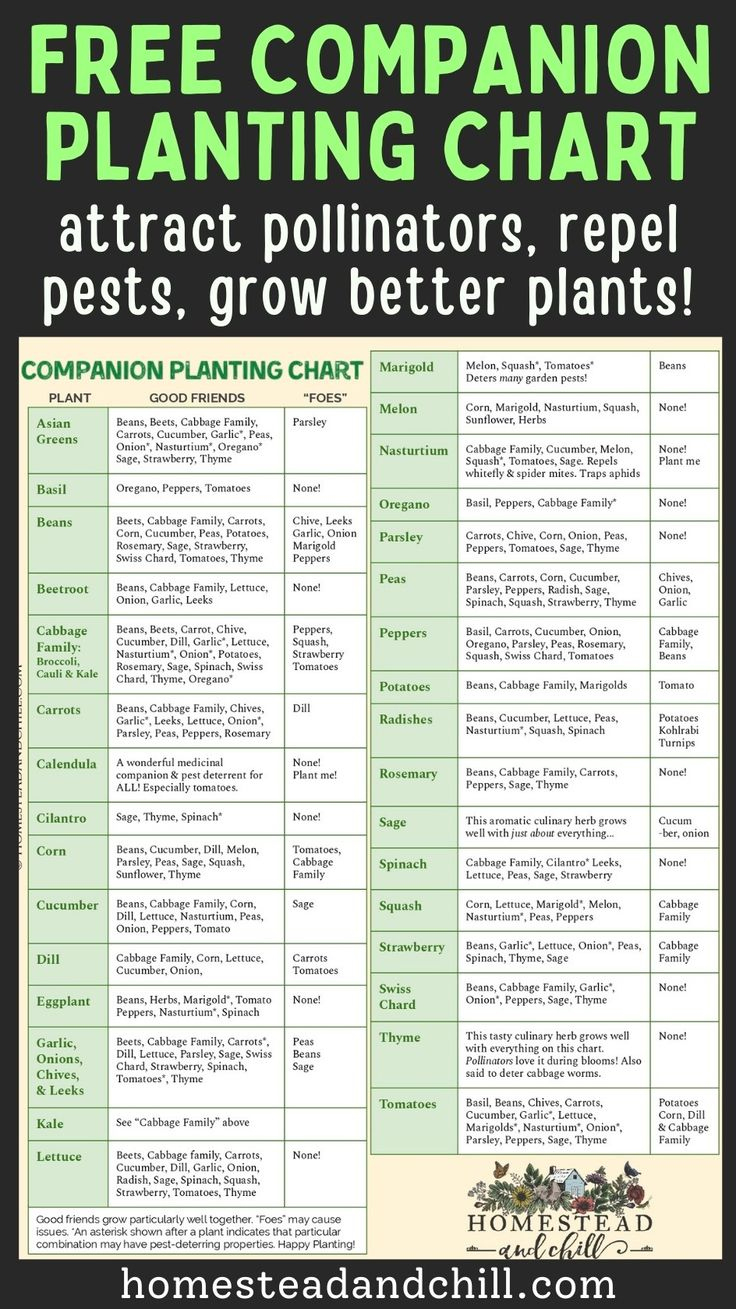
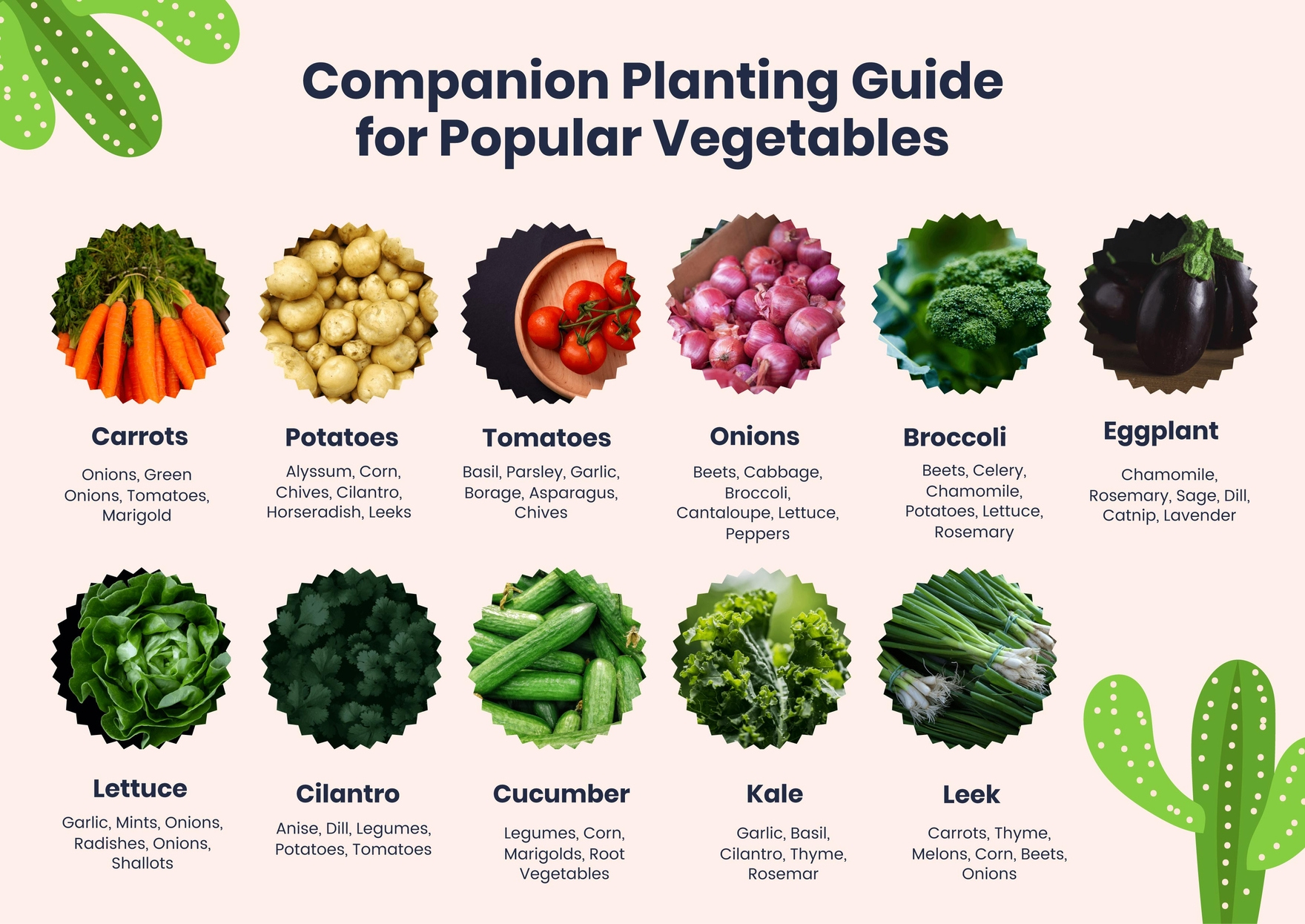
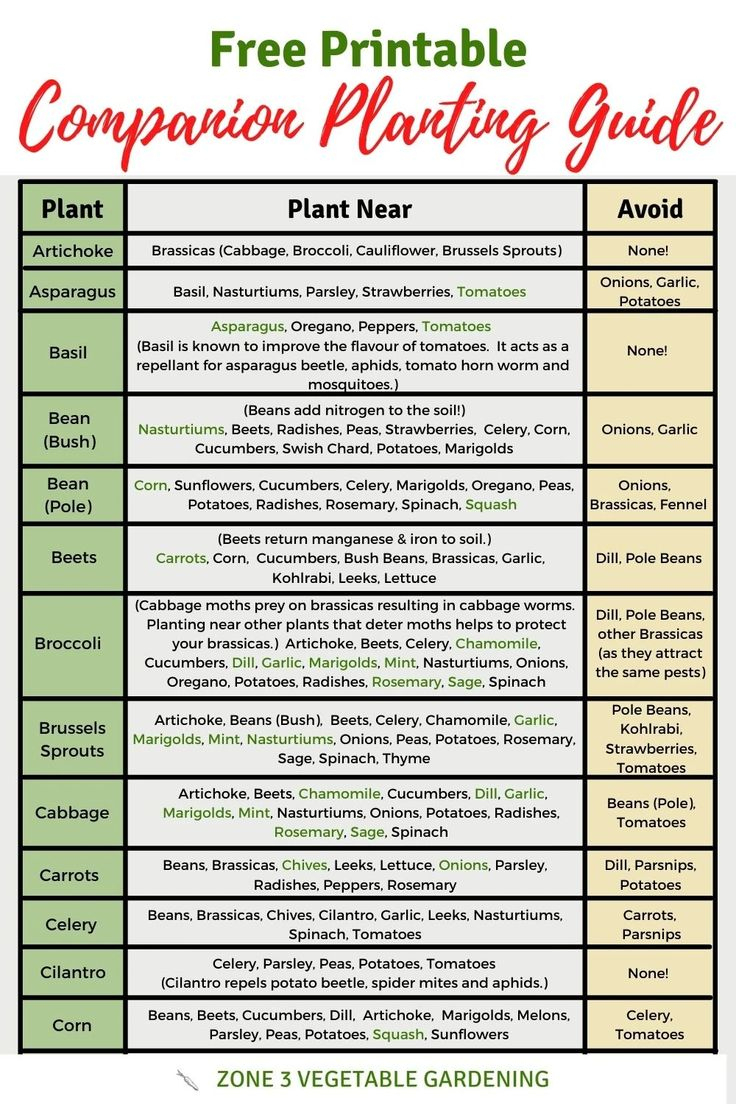
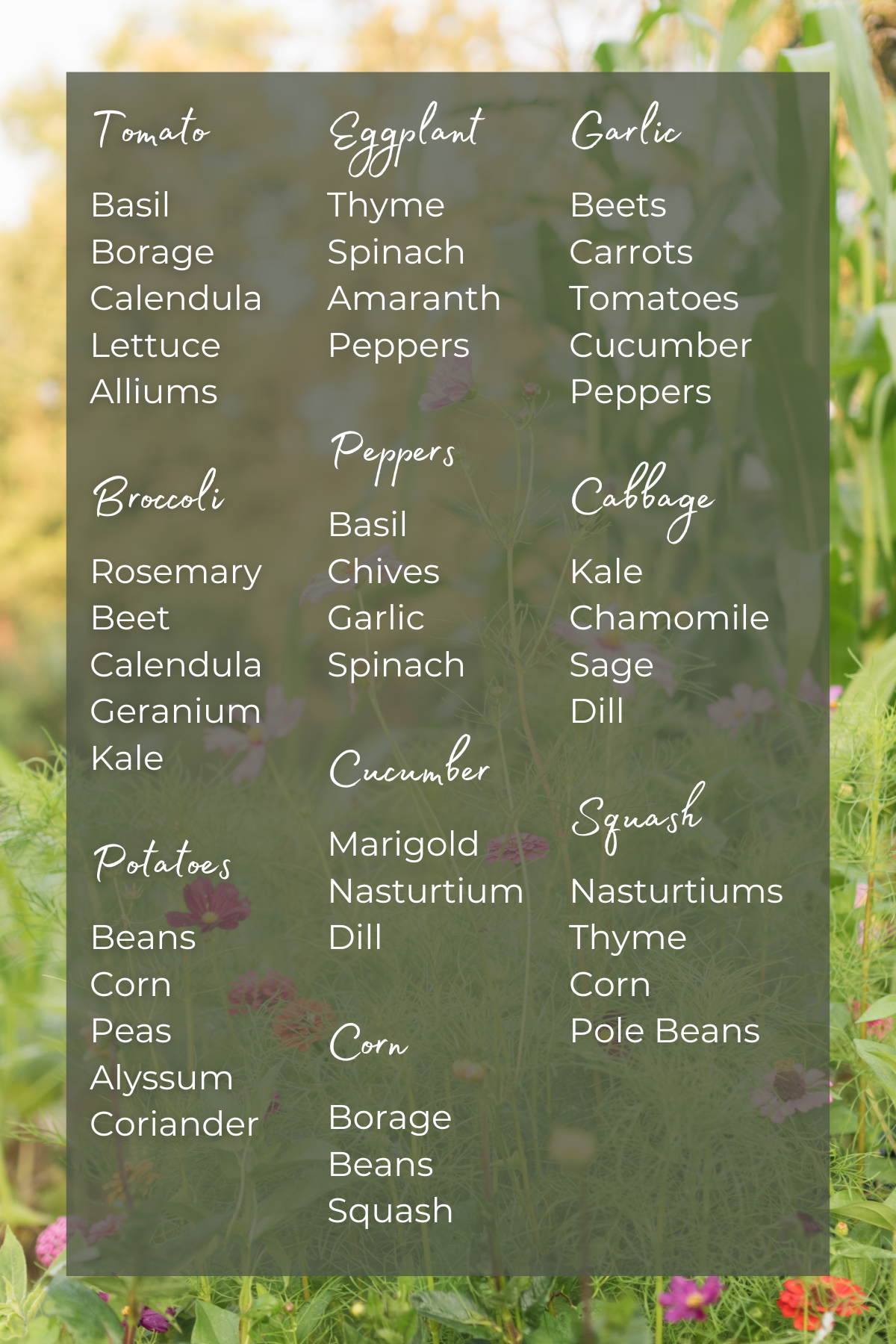
Are you looking to maximize the productivity and health of your vegetable garden? Look no further than a vegetable companion planting chart printable! This handy tool provides a visual guide to which vegetables grow well together, helping you plan and optimize your garden layout for success. With the right combinations, you can enhance flavor, repel pests, and improve pollination – all while creating a vibrant and beautiful garden space.
One of the key benefits of using a vegetable companion planting chart is the ability to utilize the natural relationships between plants to your advantage. By pairing certain vegetables together, you can create a mutually beneficial environment that promotes growth and overall plant health. In addition, companion planting can help minimize the need for chemical pesticides and fertilizers, making your garden more sustainable and environmentally friendly.
Planting for Pest Control
Certain plants have natural properties that can help repel pests and protect neighboring vegetables. For example, planting marigolds around your tomato plants can deter nematodes, while growing basil near your tomatoes can help repel aphids and hornworms. By strategically planning your garden layout based on these natural pest-repelling properties, you can reduce the need for harmful pesticides and keep your plants healthy and thriving.
Another popular pest control method is intercropping, where you plant a mix of different vegetables together. This technique can confuse and deter pests, making it harder for them to find and attack your plants. For example, planting onions with carrots can help repel carrot flies, while growing beans with corn can deter corn borers. By incorporating these companion planting strategies into your garden plan, you can create a diverse and harmonious ecosystem that naturally protects your vegetables from pests.
Enhancing Flavor and Growth
In addition to pest control, companion planting can also improve the flavor and growth of your vegetables. Certain plant combinations can enhance the taste of neighboring vegetables, making your harvest even more delicious. For example, growing carrots with tomatoes can improve the flavor of both crops, while planting peas with lettuce can enhance the sweetness of the peas. By experimenting with different plant pairings based on a vegetable companion planting chart, you can discover new flavor profiles and create a more diverse and exciting garden experience.
Furthermore, some plant combinations can boost the growth and productivity of your vegetables. For instance, planting nitrogen-fixing legumes like beans or peas next to heavy feeders like corn or squash can help provide essential nutrients to the soil and improve overall plant growth. By strategically planning your garden layout with these growth-enhancing combinations in mind, you can increase the yield and health of your vegetables, creating a more bountiful and successful harvest.
Related Printables..
Disclaimer of Copyright: All visual content is used in good faith, under the understanding that it is free of copyright restrictions for public domain or editorial use. If you have a legitimate copyright claim to any image, please contact us with the pertinent information. We will rectify the situation in good faith, typically through removal of the content in question.
Vegetable Companion Planting Chart Printable